.png)
Insights from My First Industry Visit: Navigating the Logistics of City and Intercity Transport

My first Industry Visit a logistics hub for the first time opened my eyes to the complex world behind the movement of goods and people. Public transport and freight logistics are often taken for granted, yet they require careful planning and coordination to keep cities and regions connected. This post shares what I learned about how logistics works in both city and intercity settings, highlighting the systems and strategies that keep goods flowing smoothly.
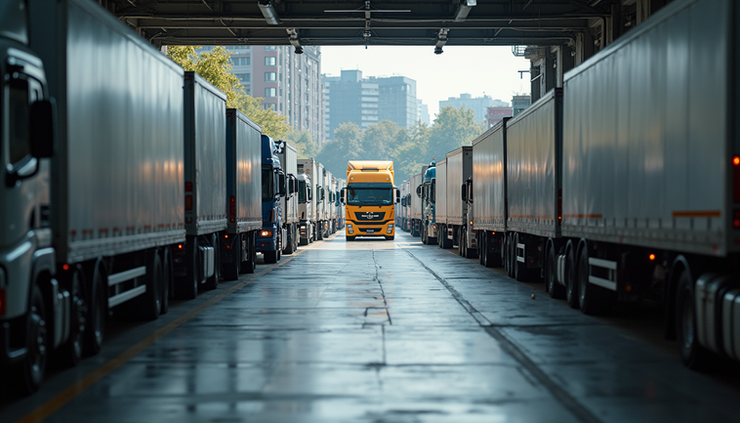
Understanding City Logistics: The Backbone of Urban Mobility
City logistics focuses on managing the movement of goods and passengers within urban areas. During my visit, I observed how public transport systems and freight operations intertwine to support daily life.
1. Public Transport Operations
Public transport in cities includes buses, trams, and sometimes metro systems. These vehicles follow fixed routes and schedules to move people efficiently. I learned that:
Scheduling is critical: Operators use real-time data to adjust bus frequencies during peak hours, reducing wait times and overcrowding.
Route planning balances coverage and efficiency: Routes are designed to serve densely populated areas while minimizing travel time.
Maintenance and turnaround times: Buses require regular maintenance and quick turnaround at depots to stay on schedule.
Passenger feedback integration: Regular feedback from passengers is collected to improve services and address concerns effectively.
Technology enhancements: Incorporating technology such as GPS tracking and mobile apps helps passengers plan their journeys more effectively.
Driver training and support: Ongoing training for drivers ensures they are equipped to handle various situations and provide excellent customer service.
Environmental considerations: Implementing eco-friendly practices, such as using electric or hybrid buses, contributes to sustainability goals.
Community engagement initiatives: Building relationships with local communities helps tailor services to meet specific needs and encourages ridership.
For example, the depot I visited had a control center monitoring bus locations and traffic conditions, allowing dispatchers to reroute vehicles when needed.
2. Managing Goods in City Logistics
Goods movement within cities is more challenging due to traffic congestion and limited space. The facility showed how logistics companies:
Use smaller delivery vehicles for last-mile deliveries to navigate narrow streets.
Schedule deliveries during off-peak hours to avoid traffic jams.
Employ consolidation centers where goods from multiple suppliers are grouped before final delivery.
Implement route optimization software to determine the most efficient delivery paths.
Utilize electric vehicles to reduce emissions and comply with environmental regulations.
Incorporate real-time tracking systems to provide customers with accurate delivery updates.
Offer click-and-collect options to reduce the number of home deliveries.
Partner with local businesses to serve as pickup points for deliveries, minimizing travel distances.
Train delivery personnel in efficient delivery practices to enhance speed and reduce errors.
Utilize data analytics to forecast demand and adjust delivery schedules accordingly.
This approach reduces the number of vehicles on the road and improves delivery speed.
Intercity Logistics: Connecting Regions Efficiently
Intercity logistics involves transporting goods and passengers between cities, often over long distances. My visit included exposure to how companies manage this complex network.
1. Freight Transport Modes
Intercity freight relies on multiple transport modes:
Trucks for flexible door-to-door delivery.
Railways for bulk goods over long distances.
Air freight for urgent or high-value items.
I saw how logistics providers coordinate these modes to optimize cost and speed. For instance, goods might travel by rail between cities and then transfer to trucks for local delivery.
2. Coordination and Tracking
Effective intercity logistics depends on precise coordination:
Scheduling shipments to align with transport availability.
Using tracking systems to monitor cargo in real time.
Managing customs and regulatory requirements when crossing regions.
The facility demonstrated a digital platform that integrates data from trucks, trains, and warehouses, providing visibility to all stakeholders.
Challenges in Logistics and How They Are Addressed
The visit highlighted several challenges logistics companies face and their solutions:
Traffic congestion: Managed by off-peak deliveries and route optimization software.
Environmental concerns: Adoption of electric vehicles and alternative fuels to reduce emissions.
Infrastructure limitations: Investments in modern depots and intermodal terminals to improve efficiency.
Demand fluctuations: Flexible workforce and vehicle fleets to handle peak seasons.
These strategies ensure logistics systems remain resilient and responsive.
Key Takeaways from the Industry Visit
This first-hand experience gave me a deeper appreciation for the logistics sector’s role in daily life. Some important insights include:
Logistics is a complex, coordinated effort involving many moving parts.
Technology plays a crucial role in real-time monitoring and decision-making.
Both city and intercity logistics require tailored approaches to meet unique challenges.
Sustainable practices are becoming central to future logistics planning.
Understanding these elements helps me see how goods and people move seamlessly despite the complexity behind the scenes.


.png)


Comments